
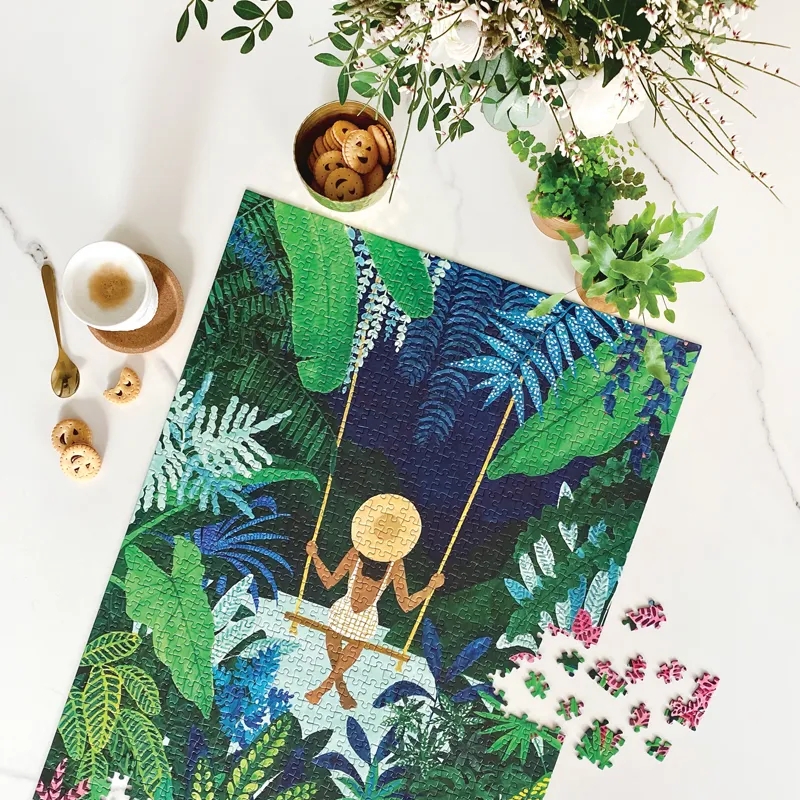
Jigsaw puzzles are perhaps the most perfect activity for people in the trenches of grief, and generally anybody who would like some mental and emotional respite.
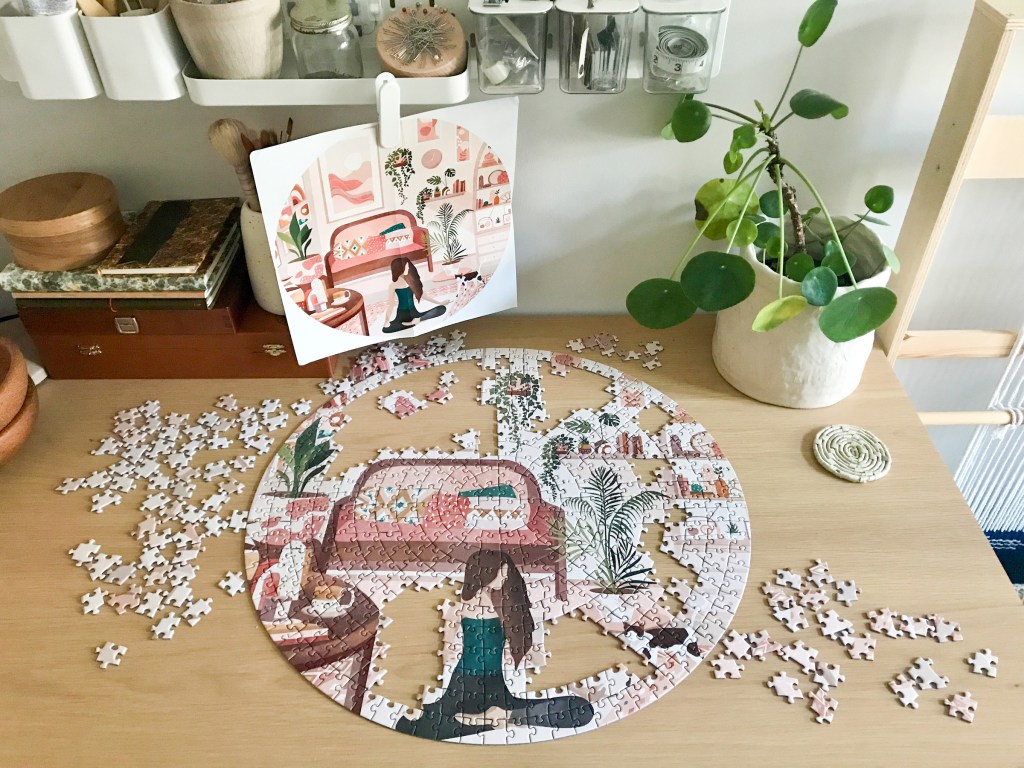
There was a long period around the time we were waiting to find out why Stewie had died, and after we did, where all I could manage to do was jigsaw puzzles at the table I had put in his nursery where his crib should have stood. My brain, and heart, just couldn’t cope with anything else.
My mum had started to do jigsaw puzzles after my dad died and had extolled their virtues to me countless times – a soothing and gentle activity for your hands that gives your mind a bit of focus away from your emotions and thoughts, without any pressure, but a satisfying feeling of achievement. Unless you accidentally throw pieces in the bin (I’ve done that once but luckily found them before it was too late), there is literally no way you can fail at a jigsaw puzzle. This was important for me as I felt like I’d failed at the most basic tenet of motherhood – keeping my child safe. I needed something I couldn’t fail at.
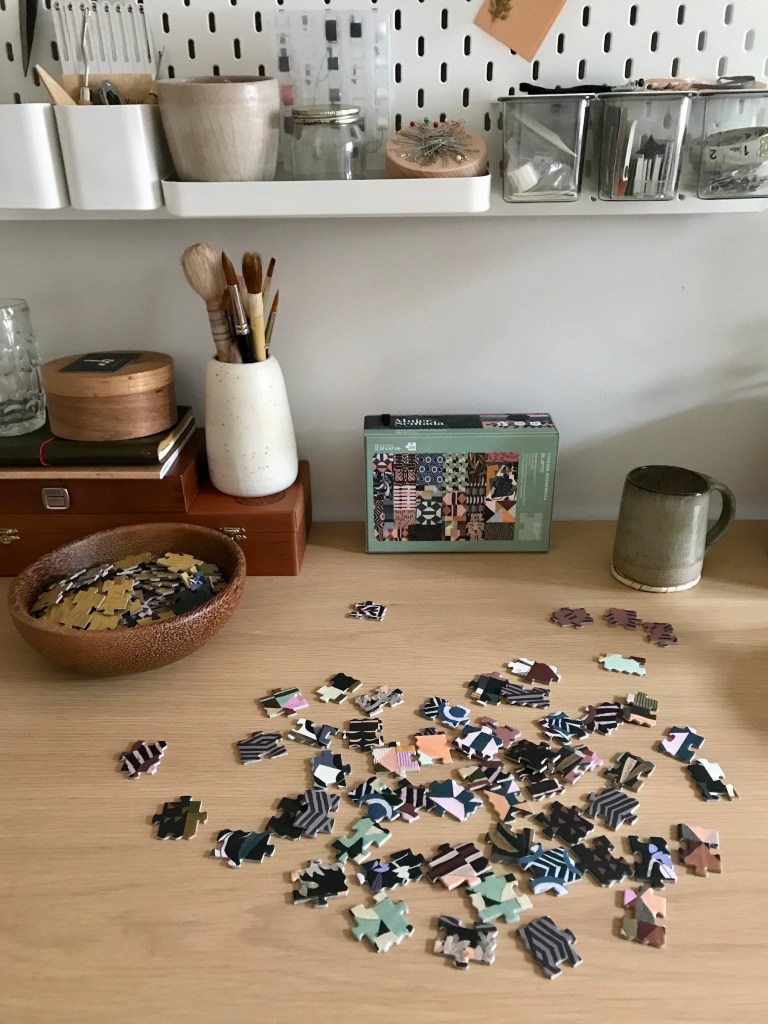
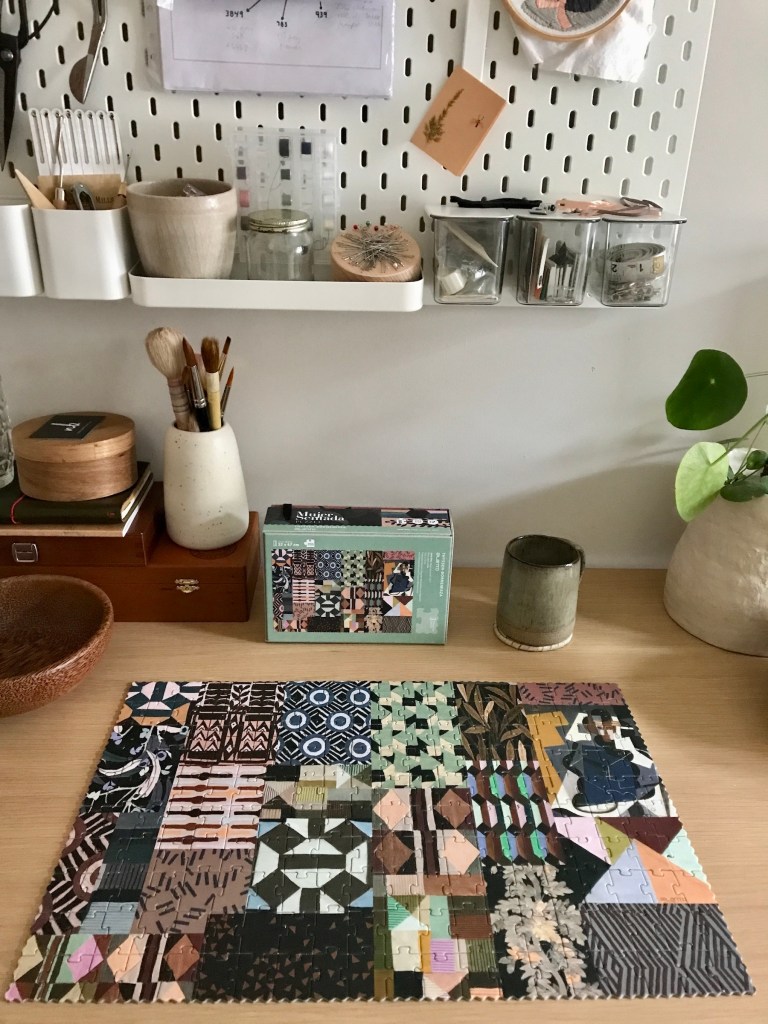
I started with a beautiful and satisfying 200 piece textile design puzzle (Mujer Sentada, Juan Gris 1917) bought at the Thyssen Bornemisza Museum in Madrid with my mum, when she came with me for a teaching trip which I knew would have been too hard alone. It was on this trip the previous year, towards the end of a long stay of 10 days, that I had discovered I was pregnant, in fact the day my mum left after joining me for a short jaunt of museums and good food. This time round Adam and I had planned to travel together with Stewie who would have been three months old, to introduce him to the place where his existence first changed our lives. Instead it was decided that my mum and I would go together for this shorter trip, as it certainly wasn’t a trip I felt I could do alone, and the food and culture of Madrid are just her cup of tea. The fact that my teaching was scheduled for the late afternoon / evening gave us the perfect opportunity to take in the culture, sights and culinary delights of Madrid together during the day, with time for dinner afterwards.
Once home, and after completing this first puzzle in my pyjamas in a couple of hours I was converted. I moved up to 500 piece puzzles of calming and modern illustrations of things like yoga studios, foliage and cats, and the act of slowly piecing them together and ending up with a relaxing and aesthetically pleasing scene was like chicken soup for my soul. I’d often find myself still sat there at 1am, unable to rest until I’d done just a little more, oblivious to the passing of time.
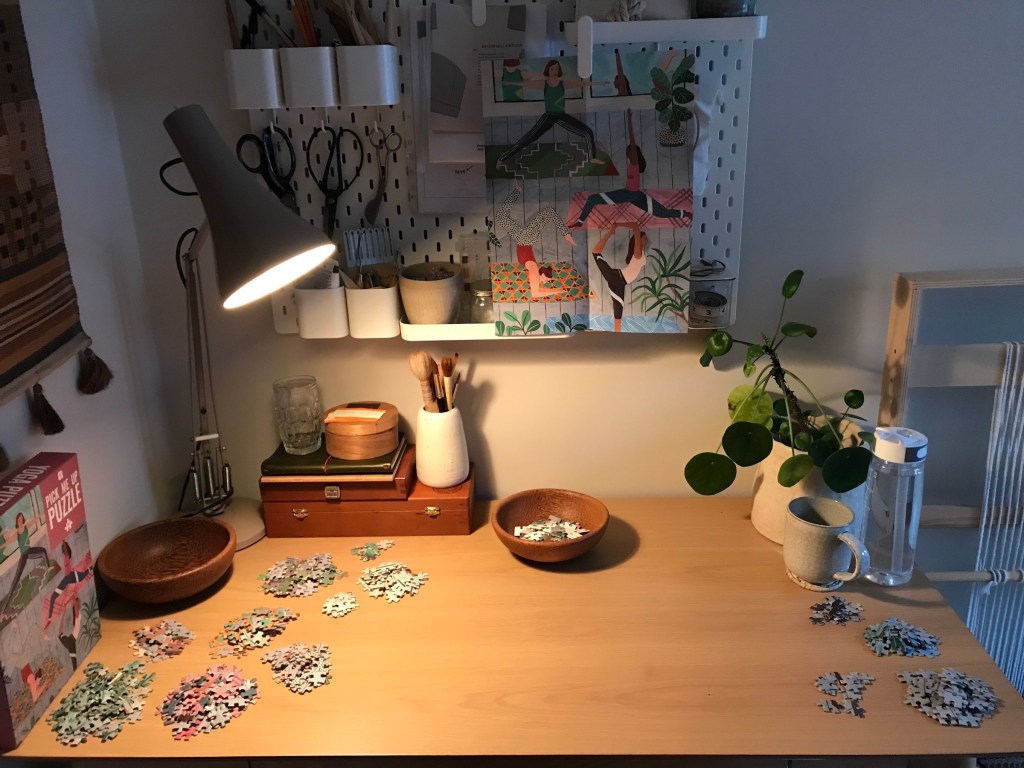
To create the most calming ambience possible, if it was the evening I’d set the lighting to low (I have very specific preferences for lighting which greatly affects my mood – in my opinion ceiling lights are for decorative purposes only and should never be switched on), and I’d usually have familiar and comforting TV or films playing on my laptop, as familiarity is important in early grief – there’s a lot to be said for knowing what to expect. Bridgerton season 2 was perfect – gentle, aesthetically pleasing, unchallenging, and completely detached from my reality. To complete the scene, Small Cat would usually be snoozing on the nursing chair just a few feet away, curled up next to (or sometimes around) Finley the Aching Arms bear. It could have been a jigsaw puzzle itself. All things considered, it was perfect.
I still really enjoy doing jigsaw puzzles, though now with a less obsessive focus than I had at the beginning when I was in the deepest trenches of grief. I have an alarmingly tall stack of completed puzzles in the nursery wardrobe, with a basket of puzzles to do next to my ‘hobby table’ as Adam calls it (and I don’t disagree with the name). They go up to 1,000 pieces which I think is probably a sensible limit for anyone but the most committed jigsaw puzzler.
To the average person, jigsaw puzzles might sound like the most basic and trivial of pastimes. But it can be hard to focus on even a puzzle when you’re right in the trenches of grief or despair – and in fact I didn’t even touch one for three months after my son died. So I hope if you’re reading this and going through dark times yourself, that you might have a go when you feel up to it. There is no deadline involved and it really is a tonic for the soul.
These are some of my favourite puzzles so far. They can be pretty expensive but can always be bought second hand – every charity shop will have jigsaw puzzles.

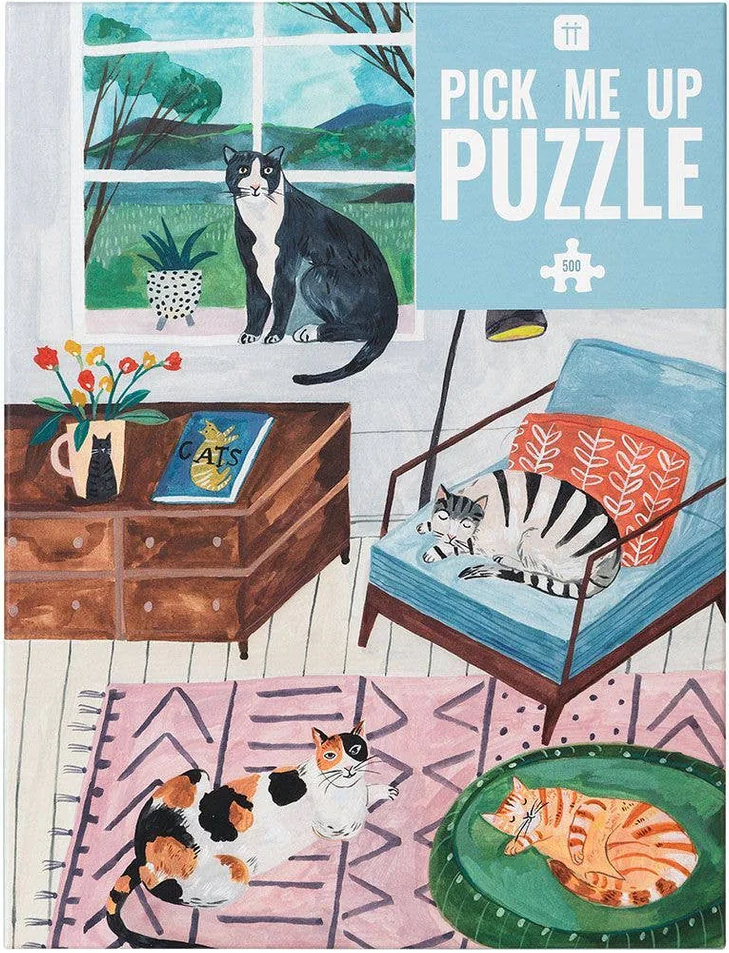
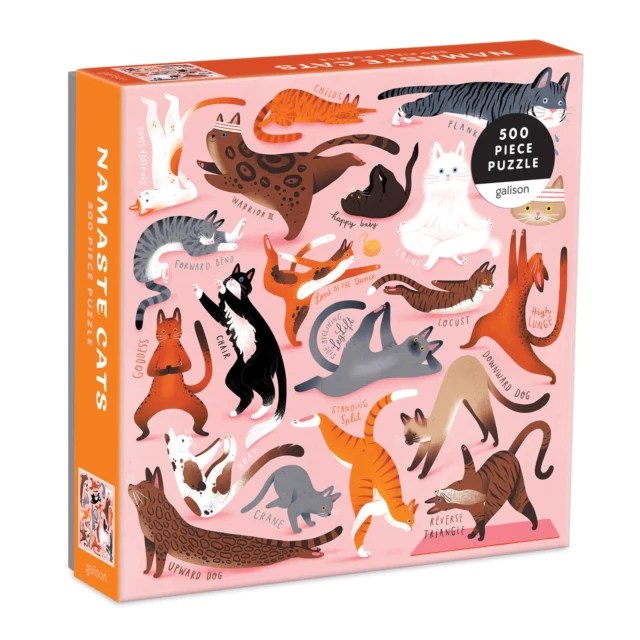

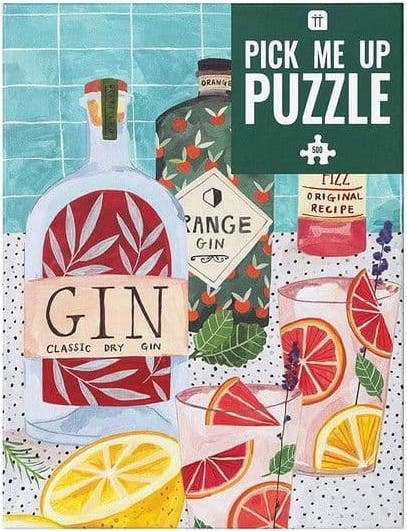
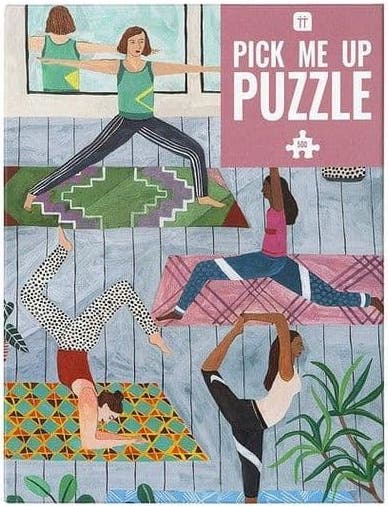
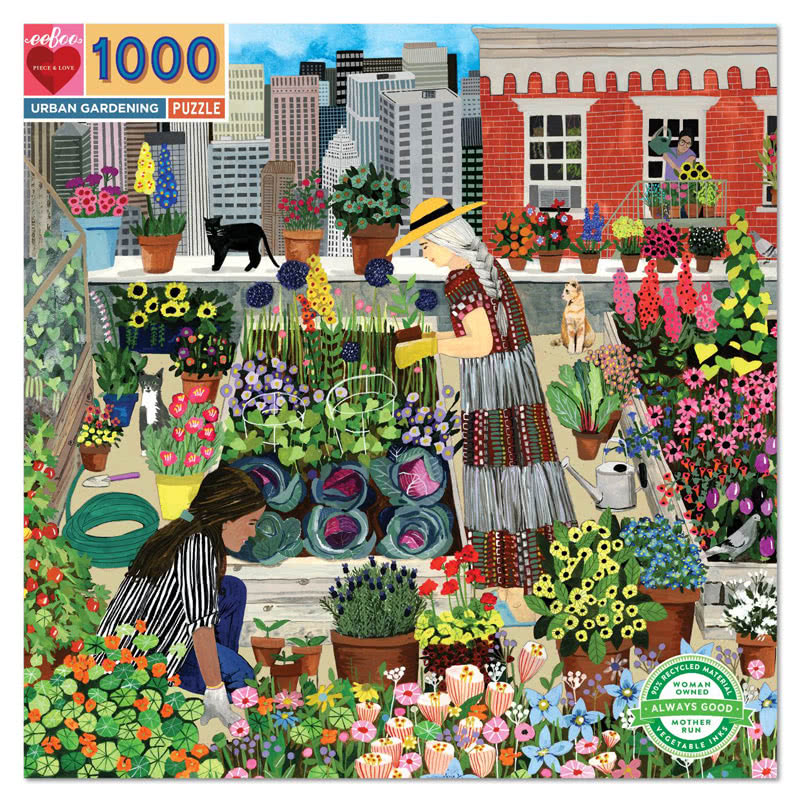
Left-Right: Bodega Cat by Simone Johnson; Cats by Talking Tables; Namaste Cats by Galison; Frida Khalo by Talking Tables; Gin by Talking Tables; Yoga by Talking Tables; Urban Gardening by eeboo
If you’re willing to spend a bit (lot) more, and go up to 1,000 pieces, these are my wish list puzzles. I can just feel myself relaxing when I look at them.
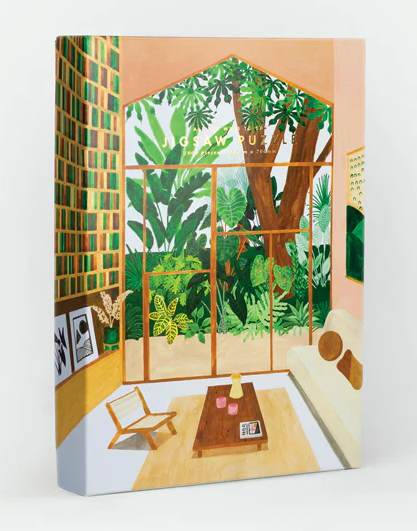
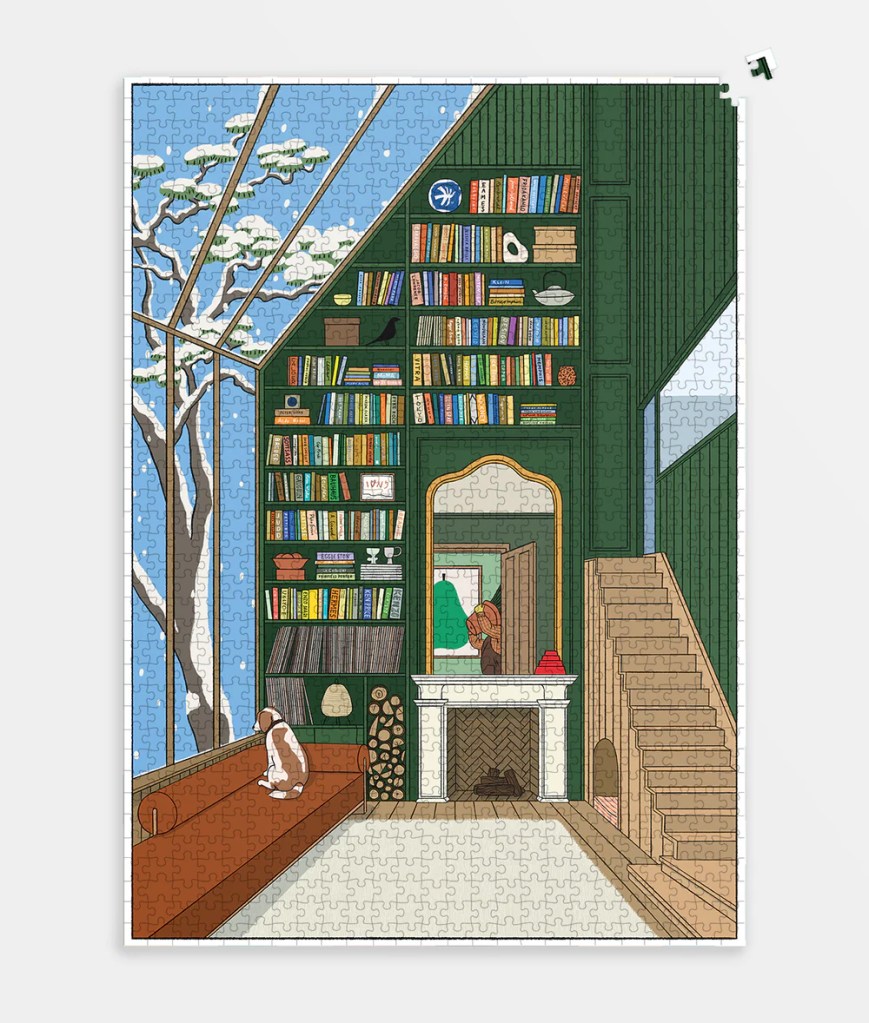
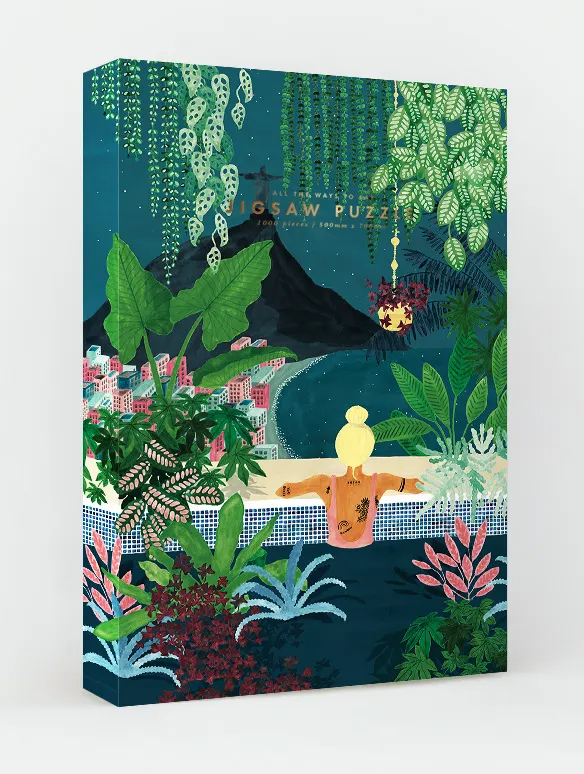
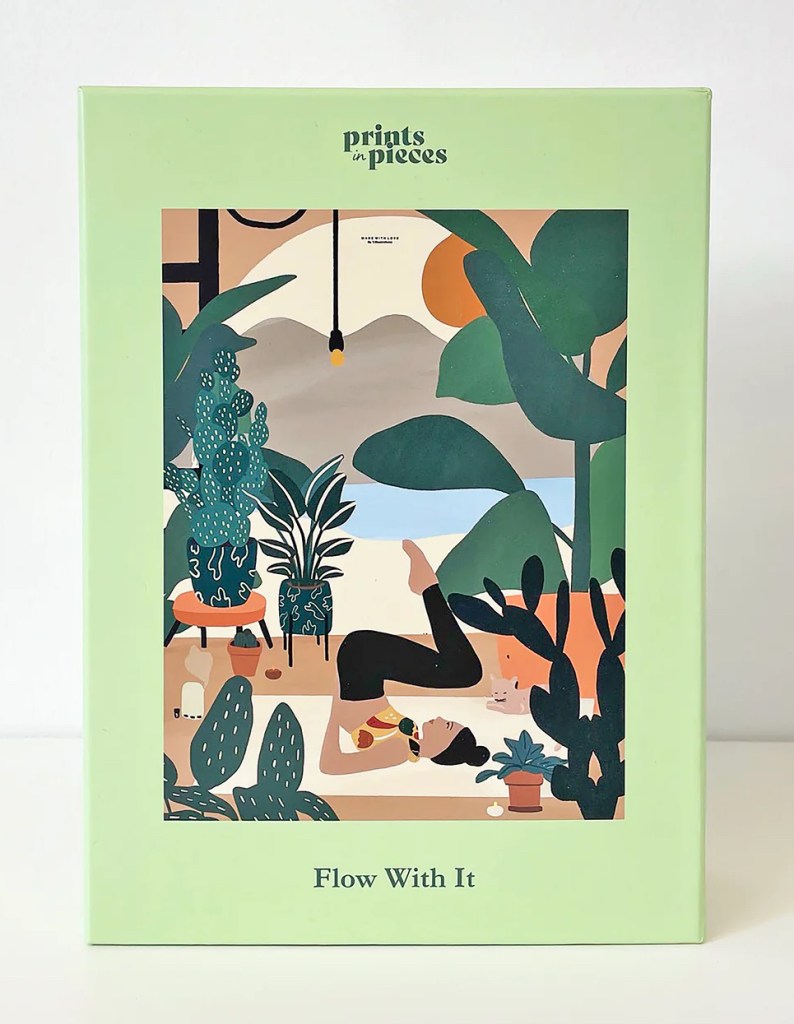

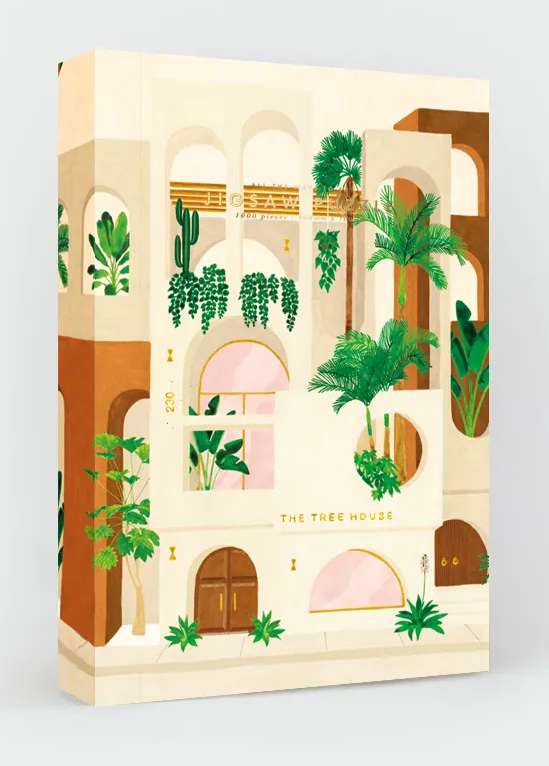
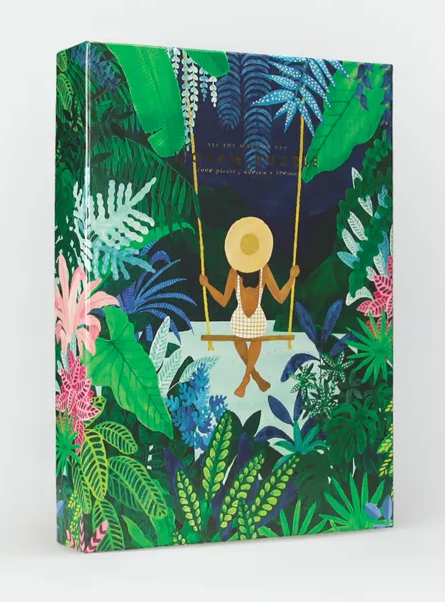
Left-Right: Inside Out by All The Ways To Say; Colder and Closer by WRAP Magazine; Rio by All The Ways To Say; Flow With It by Prints in Pieces; Plant Babies by Hinkler; Tulum by All The Ways To Say; Swing by All The Ways To Say (also blog featured image)
Just a word of warning that 1,000 piece puzzles with a lot of one colour (like green foliage) can be a bit more of a challenge to complete, so if you’re after the most relaxing experience I’d start with 500 pieces.
Wishing you gentle and happy puzzling.

 Travels With My Son
Leave a comment